FOR PARENTS
More than Photography.
Learning to See.
The Art of Seeing Academy helps high school students develop the technical skills, creative discipline, and thoughtful observation needed to become intentional photographers—and attentive people.
Photography gives students a reason to slow down, pay attention, make decisions, and communicate what they see.
For high school students who want to do more than take pictures.
THE BIG IDEA
What if photography could teach your student more than how to use a camera?
In a world filled with images, students are constantly looking. But looking and seeing are not the same thing.
Seeing requires attention.
Light. Shadow. Shape. Pattern. Perspective. What belongs in the frame—and what doesn't.
The goal isn't simply to
produce better photographs.
The goal is to cultivate better seeing.
IS THIS FOR MY STUDENT?
The Art of Seeing is for high school students who...
✓ Love taking pictures but want to understand how to make them better
✓ Want to learn photography beyond camera settings
✓ Enjoy creative challenges
✓ Are curious about art, design, people, or the world around them
✓ Want thoughtful feedback on their work
✓ Want to develop their own creative voice
✓ Are ready to practice, experiment, and grow
No professional photography experience is required.
The important thing is curiosity.
WHAT STUDENTS DEVELOp
PHOTOGRAPHY IS A CRAFT.
Seeing is a discipline.
SEE
Learn to slow down and observe the world around you.
Light and shadow
Shape and form
Color
Pattern
Perspective
Point of View
CREATE
Learn how to make intentional visual decisions.
Why this subject?
Why this angle?
Why this moment?
Why this composition?
THINK
Learn to look critically at photographs—including your own.
What makes an image compelling?
Where does the viewer's eye go?
What is the photograph communicating?
What could be stronger?
refine
Learn to strengthen your work through practice and revision.
Practice. Patience. Craftsmanship. Revision. Perseverance.
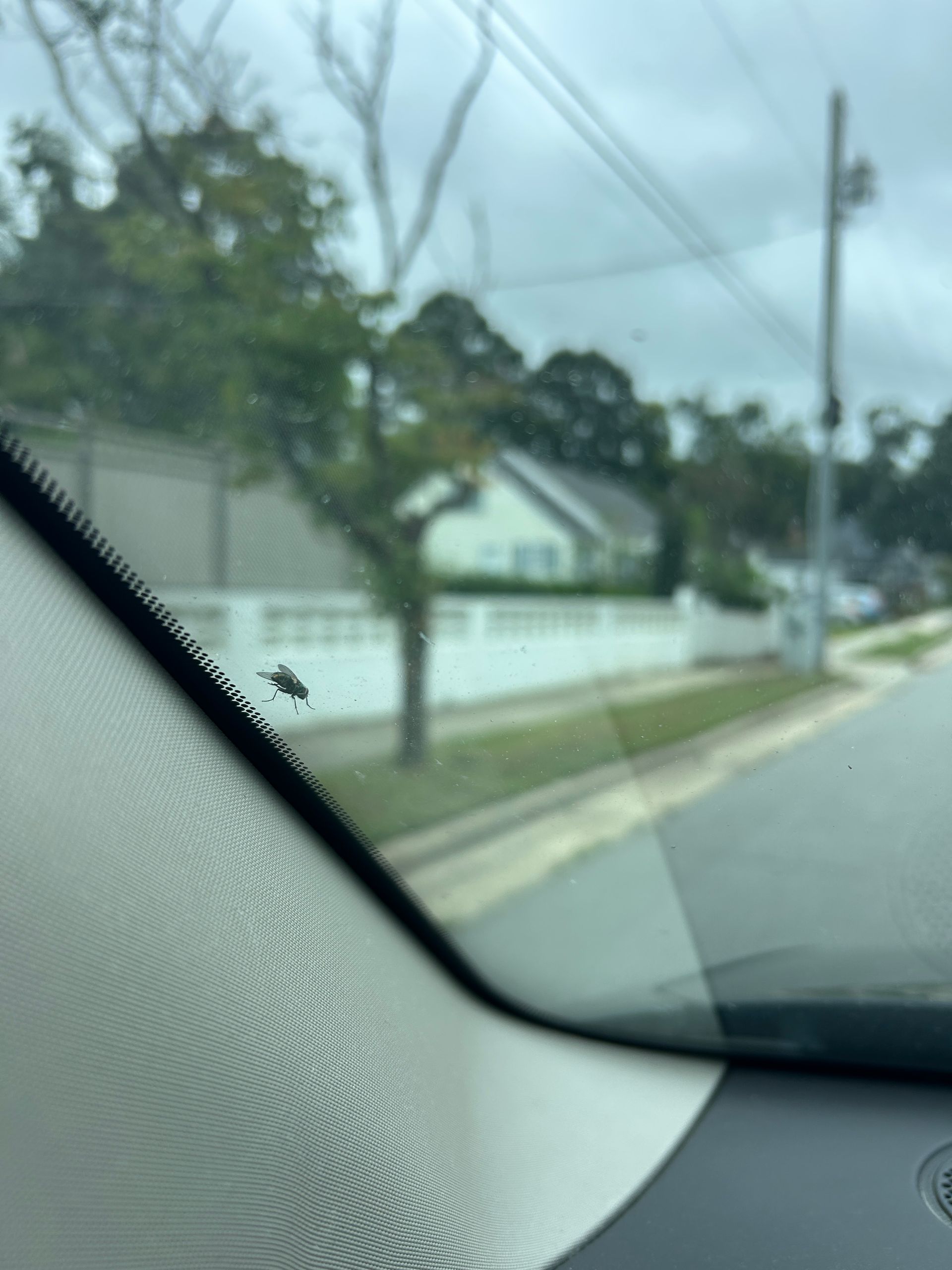
THE ART OF SEEING APPROACH
We teach the photographer,
not just the camera.
TECHNICAL SKILL
Camera controls, exposure, focus, lenses, and the fundamentals of making a strong image.
VISUAL LITERACY
Understanding composition, light, perspective, color, shape, and visual storytelling.
CRITICAL THINKING
Analyzing photographs, asking good questions, explaining choices, and receiving constructive critique.
CREATIVE CONFIDENCE
Experimenting, making decisions, trying again, and developing a personal point of view.
MENTORSHIP
Being encouraged, challenged, and guided while developing meaningful work.
Learning happens through making.
01
learn
Understand a new concept.
02
look
Study photographs and identify what makes them effective.
03
practice
Photograph using the week's principles.
04
submit
Choose and submit your strongest work.
05
reflect
Consider what worked and what could improve.
06
grow
Apply what they've learned to the next assignment.
YOUR INSTRUCTOR
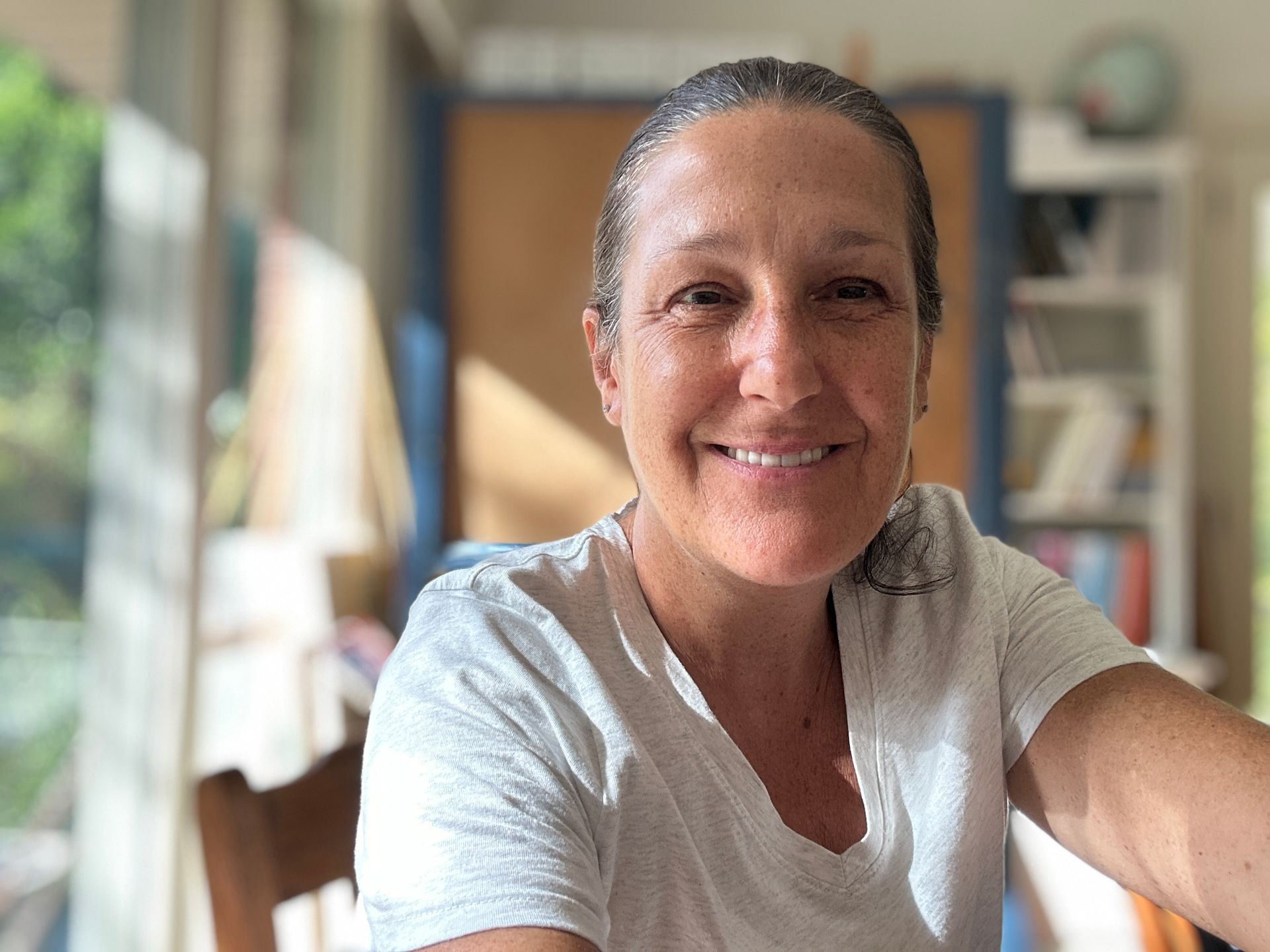
I'm Misty—a photographer, educator, homeschool mom, and mentor.
My background in fine art, graphic design, photography, and classical education has shaped the way I teach.
I've spent years photographing people, places, and stories—including documentary work that required me to slow down and spend time observing everyday life.
Those experiences taught me something I want to pass on to students:
A good photograph begins with attention.
My goal isn't to tell students what they should see. It's to teach them how to see for themselves.
FOR THE HOMESCHOOL FAMILY
A creative course with academic depth.
The Art of Seeing brings together:
ART + TECHNOLOGY + COMMUNICATION +
CRITICAL THINKING + CREATIVITY
Students aren't simply completing photography assignments.
They're learning to observe the world, make intentional decisions, communicate ideas, evaluate their own work, and pursue excellence.
For families who value a classical education, photography becomes more than an elective.
It becomes another way of learning to see.
Questions Parents Often Ask
Will my student actually learn photography?
Yes. Technical skill matters. Students learn how their camera works, how to control it, and how to create strong images. But technical knowledge is only the beginning.
Does my student need a DSLR or mirrorless camera?
[Insert your actual equipment policy here.]
How much time should we expect each week?
[Insert your actual expected time.]
Is this live or self-paced?
[Insert your course format.]
Does my student receive feedback?
[Insert your critique/submission structure.]
Is previous photography experience required?
No. Curiosity and a willingness to practice are more important.
GIVE YOUR STUDENT A REASON TO LOOK AGAIN.
The world is full of things worth noticing.
The Art of Seeing Academy is for students who are ready to slow down, look carefully,
and learn to create with intention.
Get the free challenge and be among the first to know when enrollment opens.